“coffee growth cycle” search results (200)
Brazil's COCAPEC predicts that coffee production by its members will fall by half in 2015
COCAPEC said the decline in coffee was mainly due to severe drought and the superposition of coffee production in a small year. The output of coffee trees has a cycle every two years, with high yield in one year and low yield the next year. The COCAPEC Coffee Cooperative, which has 2200 farmers, is expected to produce about 1 million bags (60, 000 tons) in 2015, down by half from 2 million bags (120000 tons) last year. COCAPEC Cafe
2015-04-07 Brazil COCAPEC Forecast member 2015 Coffee output next
Brazilian Coffee Cooperative predicts that coffee production will fall by half in 2015
Sao Paulo, March 17 (Reporter Wang Zhengrun Xunwei) COCAPEC, the third largest coffee cooperative in Brazil, predicts that coffee production by its members will drop by half in 2015. COCAPEC said the decline in coffee was mainly due to severe drought and the superposition of coffee production in a small year. The output of coffee trees has a cycle every two years, with high yield in one year and low yield the next year. COCAPEC Coffee Cooperative
2015-03-19 Brazil Coffee Cooperative Forecast 2015 production decline half Xinhua
Introduction to the Development History of cultivation and planting techniques for Coffee seedlings
Coffee planting technology introduces the origin of coffee trees in Ethiopia in Africa. In botany, coffee trees belong to the evergreen trees of the subgenus Rubiaceae, and coffee beans, commonly known as coffee beans, are the seeds of the fruit of coffee trees, just because they are shaped like beans, so they are called coffee beans. Climate is the decisive factor for coffee cultivation, and coffee trees are only suitable for growing in the tropics or subtropics.
2016-10-19 Coffee saplings how cultivation planting technology development history introduction coffee
Exquisite Ethiopian coffee beans Starbucks Ethiopian coffee
Ethiopia has unique natural conditions suitable for growing all imaginable varieties of coffee. As a upland crop, Ethiopian coffee beans are mainly grown in areas between 1100 and 2300 meters above sea level, roughly distributed in southern Ethiopia. Deep soil, well drained soil, weakly acidic soil, laterite and soil are soft and contain
2016-04-30 Beautiful Ethiopia coffee beans Buck coffee Youde Tiandu
How far can a cafe run a cafe-style financing platform?
With the promotion of the concept of crowdfunding, crowdfunding cafes are no longer a new topic, and for now, nothing is more striking than the entrepreneurial-themed cafes that sprung up everywhere two years ago. 3W Coffee from Beijing and Beta Coffee from Shenzhen are outstanding representatives of this kind of entrepreneurial cafes. They are regarded as incubators for innovative projects, and entrepreneurs are looking for money for dream projects.
2014-10-25 Coffee shop operation coffee shop entrepreneurship coffee shop financing
Where will Yunnan Coffee Industry go?
Recently, coffee industry in Yunnan Province has become a hot topic that people pay close attention to. On the one hand, the coffee planting area in Yunnan Province reached a new high of 1.3 million mu; on the other hand, the coffee purchase price of Nestl é in Yunnan fell to nearly 17 yuan / kg, a five-year low. Where will Yunnan coffee industry go? In view of the above, the Yunnan Coffee Association recently held a media meeting to outline
2014-04-27 Yunnan coffee industry where to go Yunnan Province become in the near future
Ethiopian coffee flavor Ethiopian coffee characteristics Ethiopian coffee taste
Ethiopia has unique natural conditions suitable for growing all imaginable varieties of coffee. As a upland crop, Ethiopian coffee beans are mainly grown in areas between 1100 and 2300 meters above sea level, roughly distributed in southern Ethiopia. Deep soil, well drained soil, weakly acidic soil, laterite and soil are soft and contain
2016-08-29 Ethiopia coffee flavor characteristics taste have Tiandu
Natural fermented Ethiopian coffee flavor, characteristics, taste and estate
Ethiopia is blessed with natural conditions for growing all conceivable varieties of coffee. Ethiopia's coffee beans are mainly grown as highland crops in areas with altitudes of 1100-2300 meters above sea level, roughly distributed in southern Ethiopia. Deep soil, well-drained soil, weakly acidic soil, laterite and soft soil containing
2016-08-31 Natural Fermented Sunlight Ethiopian Coffee Flavor Characteristics Taste Manor
Flavor, characteristics, taste and manor introduction of naturally fermented Ethiopian coffee
Ethiopia has unique natural conditions suitable for growing all imaginable varieties of coffee. As a upland crop, Ethiopian coffee beans are mainly grown in areas between 1100 and 2300 meters above sea level, roughly distributed in southern Ethiopia. Deep soil, well drained soil, weakly acidic soil, laterite and soil are soft and contain
2016-08-31 Natural fermentation Solar Ethiopia Coffee Flavor characteristics Taste Manor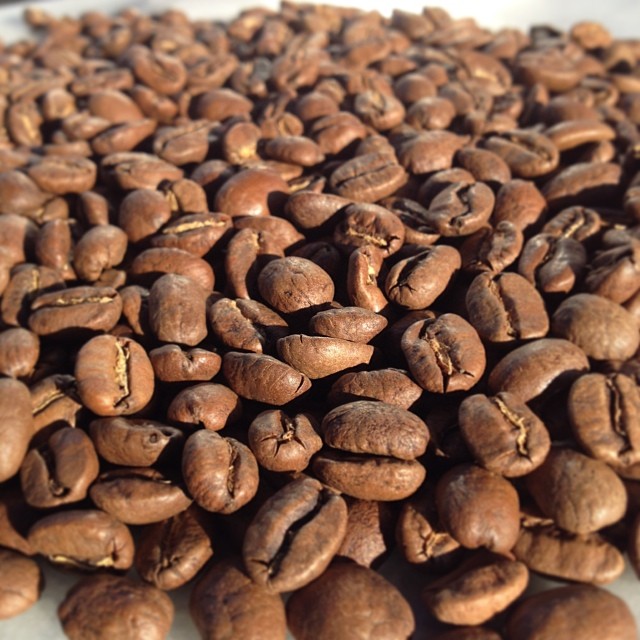
Natural fermentation and Solar Ethiopian Coffee Flavor, characteristics, texture and Manor introduction
Ethiopia has unique natural conditions suitable for growing all imaginable varieties of coffee. As a upland crop, Ethiopian coffee beans are mainly grown in areas between 1100 and 2300 meters above sea level, roughly distributed in southern Ethiopia. Deep soil, well drained soil, weakly acidic soil, laterite and soil are soft and contain
2016-08-30 Natural fermentation Solar Ethiopia Coffee Flavor characteristics Taste Manor
Natural fermented and mellow Ethiopian coffee flavor, characteristics, taste and manor introduction
Ethiopia has unique natural conditions suitable for growing all imaginable varieties of coffee. As a upland crop, Ethiopian coffee beans are mainly grown in areas between 1100 and 2300 meters above sea level, roughly distributed in southern Ethiopia. Deep soil, well drained soil, weakly acidic soil, laterite and soil are soft and contain
2016-09-01 Natural fermented mellow solarization Ethiopia coffee flavor characteristics taste
With unique natural conditions, Ethiopian coffee flavor, characteristics, taste and manor introduction
Ethiopia has unique natural conditions suitable for growing all imaginable varieties of coffee. As a upland crop, Ethiopian coffee beans are mainly grown in areas between 1100 and 2300 meters above sea level, roughly distributed in southern Ethiopia. Deep soil, well drained soil, weakly acidic soil, laterite and soil are soft and contain
2016-08-30 Yes Tiandu thick natural conditions Ethiopia coffee flavor characteristics mouth
Variety characteristics of fermented Natural Solar Ethiopian Coffee introduction to Fine Coffee Bean in Manor
Ethiopia has unique natural conditions suitable for growing all imaginable varieties of coffee. As a upland crop, Ethiopian coffee beans are mainly grown in areas between 1100 and 2300 meters above sea level, roughly distributed in southern Ethiopia. Deep soil, well drained soil, weakly acidic soil, laterite and soil are soft and contain
2016-09-02 Fermentation Natural Solar Ethiopia Coffee varieties characteristics Taste Manor
Taste characteristics of Solar fermented Natural Ethiopian Coffee introduction to Fine Coffee Bean in Manor
Ethiopia has unique natural conditions suitable for growing all imaginable varieties of coffee. As a upland crop, Ethiopian coffee beans are mainly grown in areas between 1100 and 2300 meters above sea level, roughly distributed in southern Ethiopia. Deep soil, well drained soil, weakly acidic soil, laterite and soil are soft and contain
2016-09-03 Sun fermentation Natural Ethiopia Coffee varieties Taste characteristics Manor
Natural fermentation, mellow and sun-dried Ethiopian coffee flavor, characteristics, taste and manor introduction
Ethiopia has unique natural conditions suitable for growing all imaginable varieties of coffee. As a upland crop, Ethiopian coffee beans are mainly grown in areas between 1100 and 2300 meters above sea level, roughly distributed in southern Ethiopia. Deep soil, well drained soil, weakly acidic soil, laterite and soil are soft and contain
2016-08-31 Natural fermented mellow solarization Ethiopia coffee flavor characteristics taste
Characteristics of natural fermented, mellow and insolated Ethiopian coffee varieties taste manor boutique coffee bean flavor
Ethiopia has unique natural conditions suitable for growing all imaginable varieties of coffee. As a upland crop, Ethiopian coffee beans are mainly grown in areas between 1100 and 2300 meters above sea level, roughly distributed in southern Ethiopia. Deep soil, well drained soil, weakly acidic soil, laterite and soil are soft and contain
2016-09-01 Natural fermented mellow solarization Ethiopia coffee varieties characteristics taste
Coffee beans and coffee trees varieties of coffee trees
After understanding the different types of coffee, let's take a look, especially the Arabica coffee that people are most concerned about can be divided into many different varieties.
2014-09-18 Coffee knowledge coffee tree coffee tree variety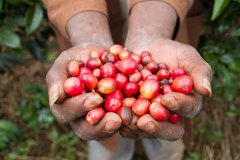
The trend of China's coffee industry is to get rid of the situation of pure raw materials.
The trend of China's coffee industry, represented by Yunnan, China's coffee industry has once again encountered market cycle fluctuations. The government, enterprises and Cajun must take the initiative to turn the crisis into an opportunity. Li Ziliang, a reporter from Newsweek / Outlook Newsweek, entered November. Yunnan Province, China's largest coffee producing area, is about to usher in the harvest season. Pu'er, Dehong and Baoshan are the main coffee producing areas.
2015-10-29 China coffee trend improve get rid of simple raw materials origin situation
Coffee tree growth habits, distribution Coffee tree planting knowledge
The coffee tree is native to Ethiopia in Africa. Coffee tree in botany, belongs to the Rubiaceae coffee subgenus evergreen tree, and generally known as coffee beans, in fact, coffee tree fruit seeds, only because of the shape like beans, so called coffee beans. Climate is the decisive factor for coffee cultivation. Coffee trees are only suitable for growing in the tropics or subtropics, so latitude 25 degrees north and south.
2015-11-02 coffee growth habits distribution cultivation common knowledge origin Africa Ethiopia
Variety characteristics of naturally fermented sun-cured Ethiopian coffee introduction to the flavor of fine coffee beans in the manor
Ethiopia has unique natural conditions suitable for growing all imaginable varieties of coffee. As a upland crop, Ethiopian coffee beans are mainly grown in areas between 1100 and 2300 meters above sea level, roughly distributed in southern Ethiopia. Deep soil, well drained soil, weakly acidic soil, laterite and soil are soft and contain
2016-09-01 Natural fermented solarization Ethiopia coffee variety characteristics taste manor